A pledge of escalation in a widening war: Trump vows powerful new strikes on Iran
03/14/2026 / By Willow Tohi
- President Trump announces plans for “very powerful” strikes against Iran in the coming week.
- The conflict, now in its 14th day, has triggered major regional escalation and retaliatory attacks.
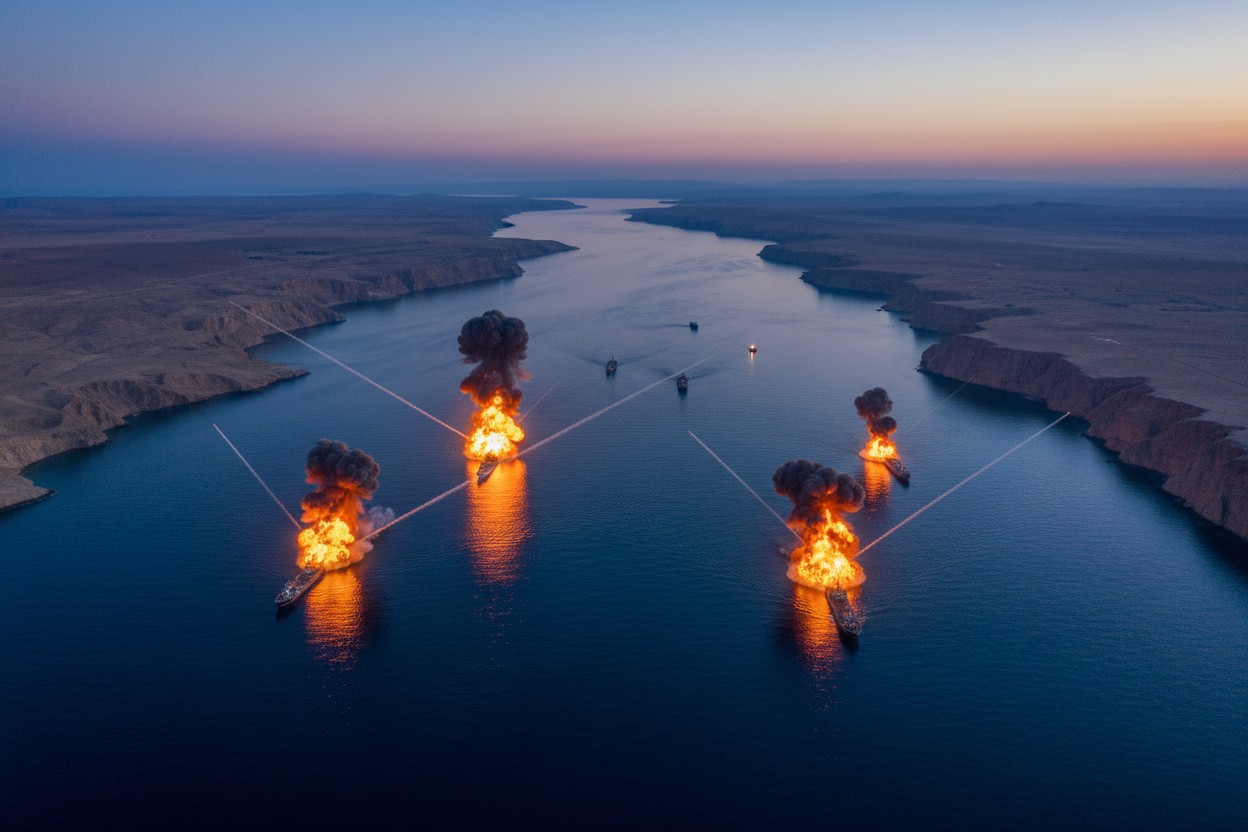
- Iran has effectively closed the Strait of Hormuz, threatening global energy supplies and spiking oil prices.
- Key U.S. allies, Germany and Norway, have declined to join the military operation.
- Casualties mount across the region, with hundreds reported dead in Iran, Lebanon and Israel.
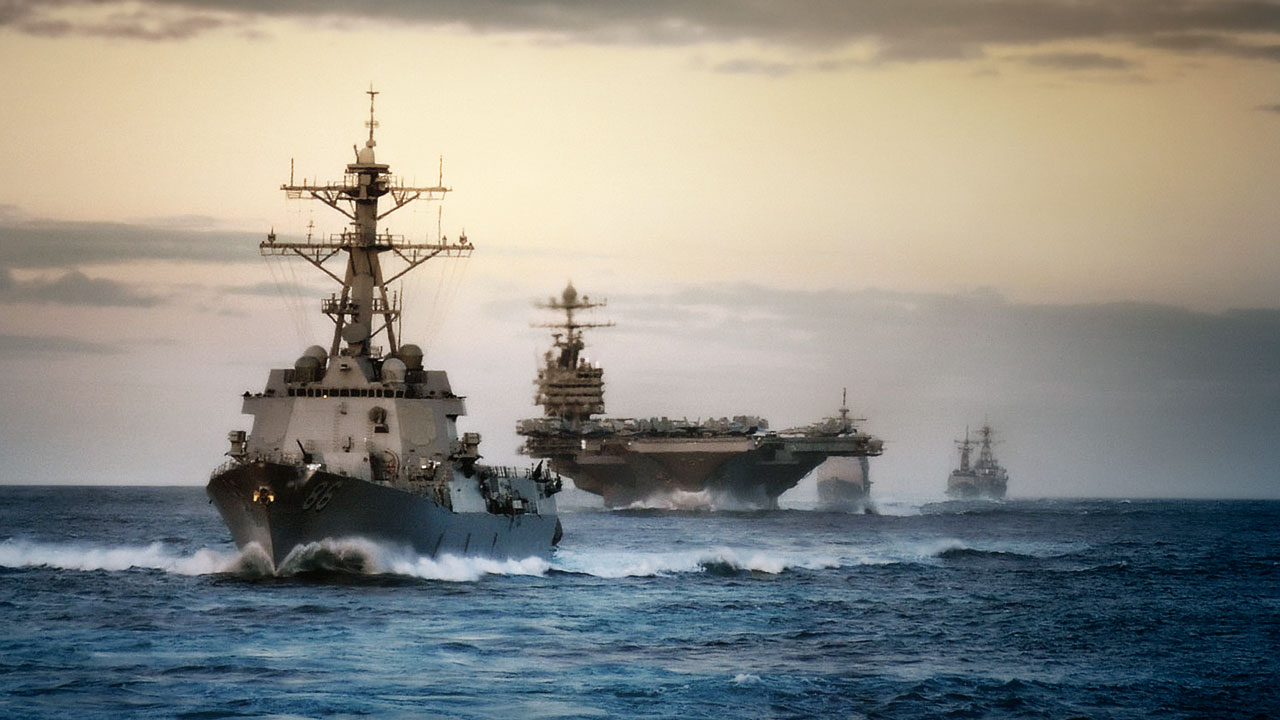
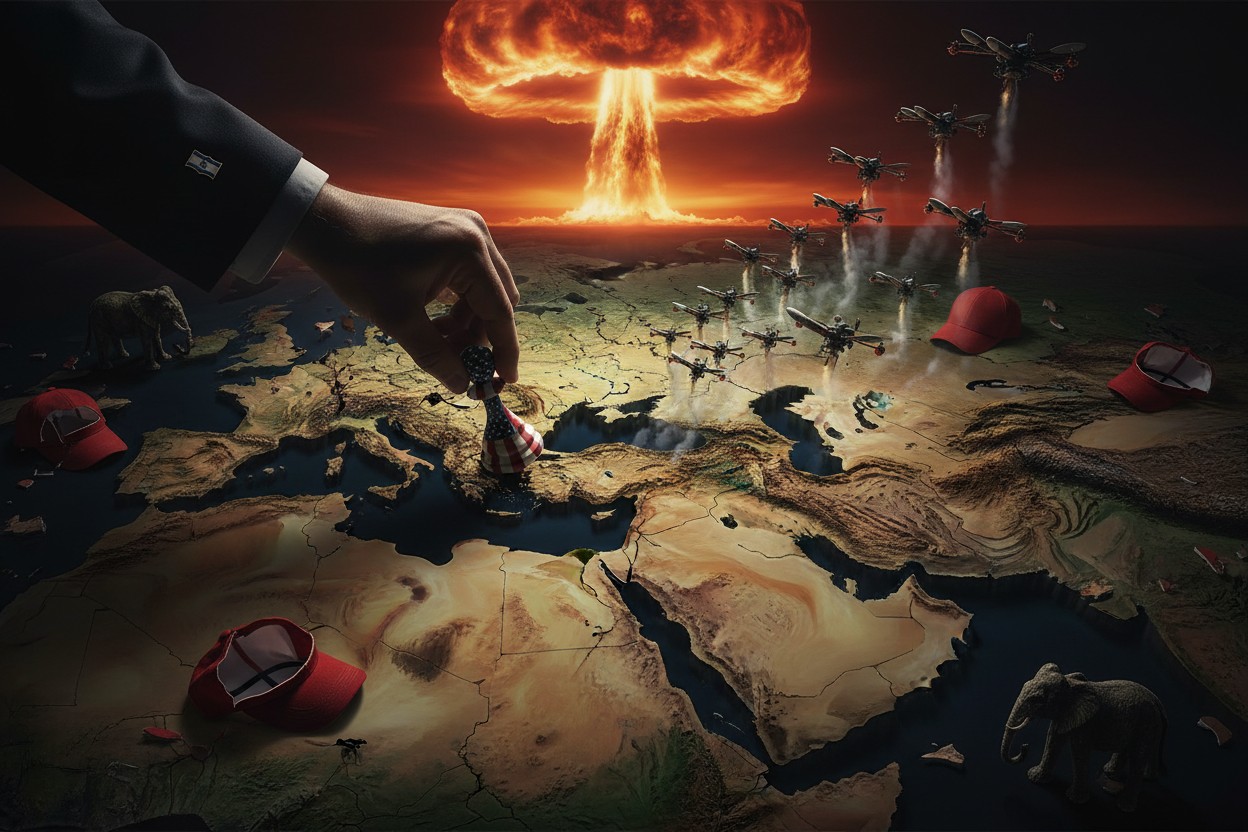
In a stark declaration that signals a dangerous new phase in a two-week-old conflict, U.S. President Donald Trump has announced plans to launch “very powerful strikes” against Iran over the next week. The warning comes as the Middle East reels from sustained hostilities triggered by U.S.-Israeli strikes on February 28, with Iran retaliating with waves of missiles and drones, effectively blockading the critical Strait of Hormuz and sending shockwaves through the global economy.
The stakes at the Strait of Hormuz
The strategic waterway, through which approximately one-fifth of the world’s traded oil passes, has become the conflict’s central economic battleground. Iran’s move to choke off this artery has caused oil prices to surge roughly 40% since the war began, with Brent crude hovering around $100 per barrel. President Trump countered the blockade with a stark threat of “death, fire and fury” if it continues, while simultaneously offering U.S. escorts for commercial tankers. This precarious standoff underscores the conflict’s immediate global impact, threatening energy security and economic stability far beyond the region’s borders.
Military onslaught and mounting casualties
The human and material cost of the conflict is escalating rapidly. U.S. Defense Secretary Pete Hegseth stated that American forces have struck over 15,000 targets in Iran—averaging more than 1,000 per day—focusing on military infrastructure, command centers and Iran’s minelaying capabilities. Israel reports striking thousands of targets in Iran and Lebanon. The casualty figures are grim: Iranian authorities report over 1,200 dead from the strikes, while in Lebanon, health officials state nearly 800 people have been killed, including more than 100 children, with close to 800,000 displaced. The U.S. military has suffered at least 13 fatalities, including six airmen killed in a KC-135 tanker crash in Iraq.
Diplomatic rifts and regional flashpoints
As military actions intensify, diplomatic fractures are appearing among Western allies. The leaders of Germany and Norway explicitly stated they will not join the U.S.-Israeli military operation, with German Chancellor Friedrich Merz emphasizing that the conflict “did not serve anyone” and was harming economic interests. Meanwhile, the war is spreading along multiple fronts. Hezbollah and Israeli forces are engaged in intense cross-border fighting, and Iranian attacks have extended into Gulf states, with the United Arab Emirates intercepting numerous missiles and drones. A suspected Israeli strike even rocked an area in central Tehran during a mass government rally, highlighting the conflict’s expanding geographic scope and audacious targeting.
An unclear path to resolution
President Trump has sent mixed signals about the war’s trajectory, calling it a “little excursion” that would end “soon,” while also asserting the U.S. has “won in many ways, but we haven’t won enough.” He later told Fox News the conflict would conclude “when I feel it in my bones.” This ambiguity, coupled with Iran’s Supreme Leader Mojtaba Khamenei’s vow to continue attacks and keep the Strait closed, points to a protracted struggle. The historical context is inescapable: for decades, the U.S. has projected military power in the Middle East with mixed results. The current confrontation tests the limits of that power against a fortified and retaliatory Iran, with global energy supplies and regional stability hanging in the balance.
A region on the brink
The promise of intensified American strikes sets the stage for a potentially catastrophic new week in a conflict that shows no signs of abating. With key allies distancing themselves, global markets on edge, and civilian casualties mounting, the war is etching a deep scar across the Middle East. The coming days will reveal whether this escalation forces a decisive shift or merely deepens a quagmire, as the world watches a high-stakes confrontation that continues to defy easy resolution.
Sources for this article include:
Submit a correction >>
Tagged Under:
big government, chaos, dollar demise, economy, energy supply, Globalism, humanitarian, market crash, military tech, national security, supply chain, terrorism, Trump, violence, weapons tech, WWIII
This article may contain statements that reflect the opinion of the author
RECENT NEWS & ARTICLES