Gold Surges as Trump Signals Progress Toward US-Iran Truce
06/13/2026 / By Sterling Ashworth

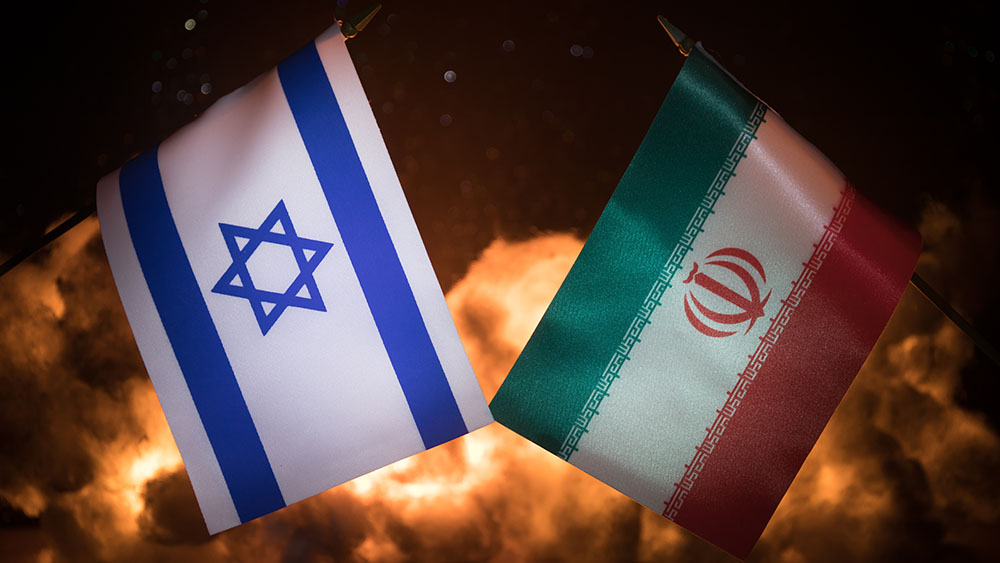
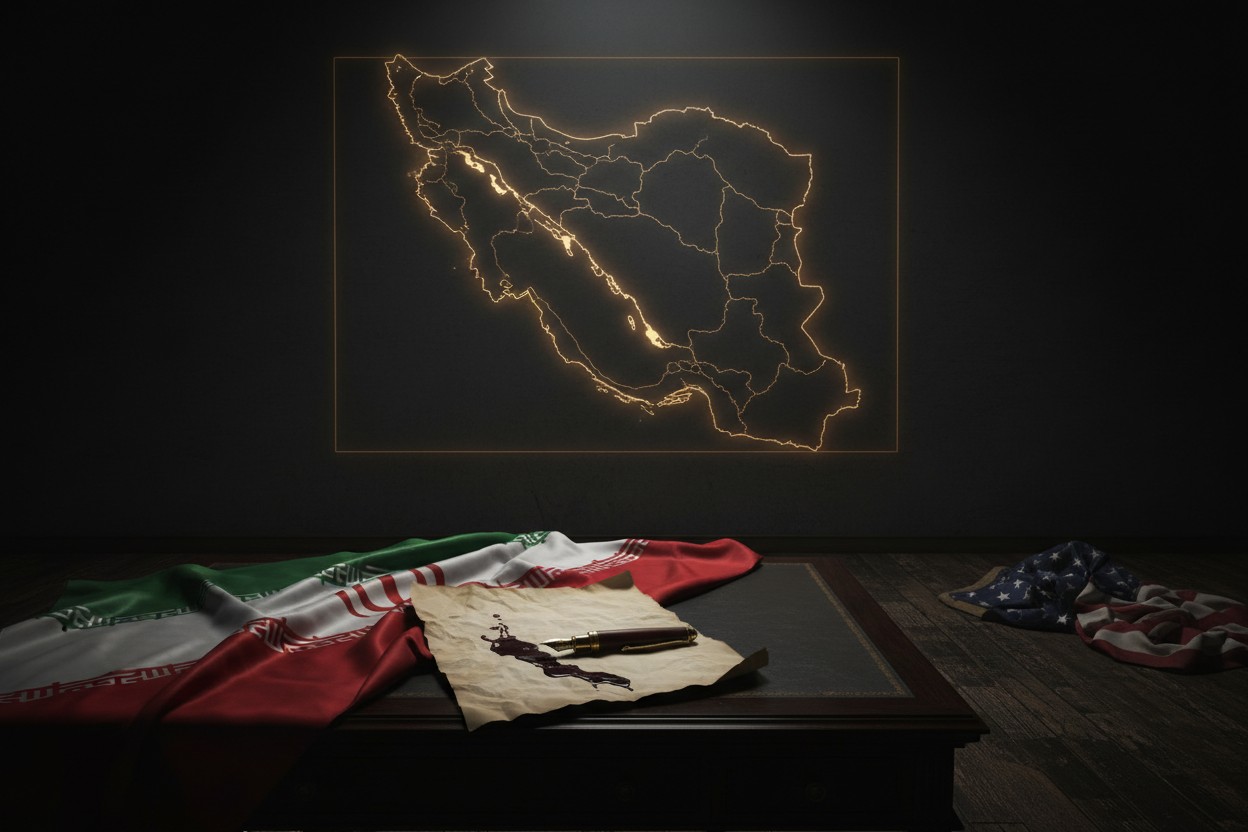
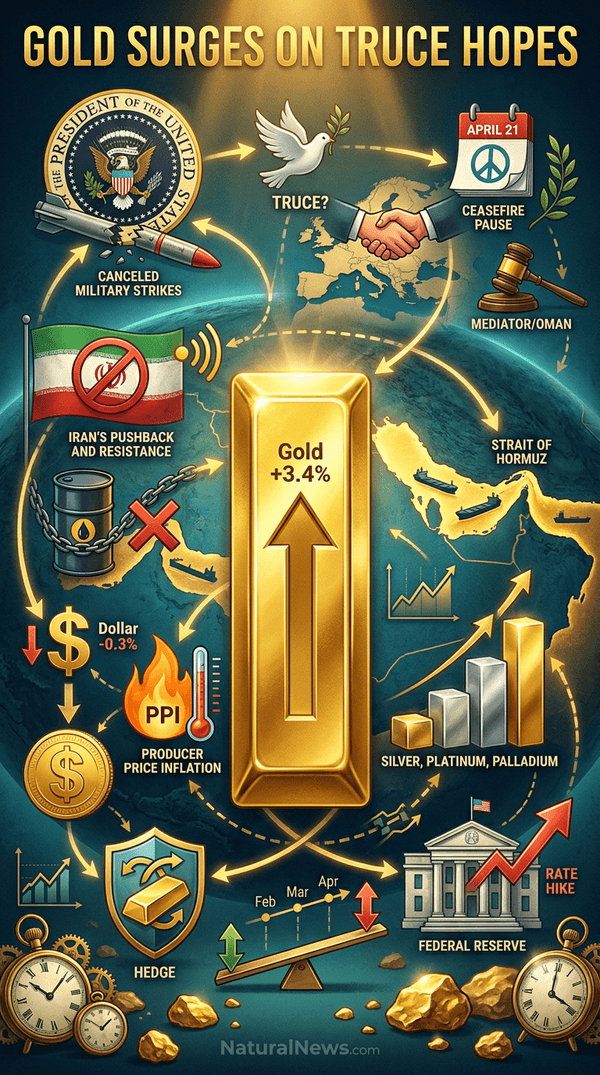
Gold prices recorded their largest single-day gain in more than two months on Thursday, rising as much as 3.6% before closing 3.4% higher at $4,212.26 an ounce, according to market data. The surge followed President Donald Trump’s statement that he canceled planned military strikes against Iran, citing discussions with Iranian leadership about a negotiated end to the war. Trump told reporters in the Oval Office that a signing could occur as soon as this weekend in Europe, with Vice President JD Vance attending if the deal materializes, according to White House pool reports.
Iran’s semi-official Fars news agency reported that officials had not yet approved any agreement text, citing an unnamed source. The conflicting signals have kept markets on edge, officials said, as the war has disrupted energy flows through the Strait of Hormuz. The development marks a potential shift from earlier threats of intensified attacks, according to reports from the White House press pool.
Trump’s Remarks and Conflicting Signals
Trump’s comments marked a departure from his previous threats of stepped-up military action, according to White House pool reports. He said discussions “have been brought to the highest level of Iranian leadership,” but the administration has vacillated between war and peace signals in recent weeks. Fars news agency reported earlier Thursday that Iran had not approved the text of any agreement, underscoring a lack of clarity.
The administration extended a ceasefire on April 21 through Pakistan’s mediation, halting an imminent U.S. military strike and creating a fragile diplomatic window [1]. Analysts at the time described the pause as reducing near-term escalation risk but not resolving the underlying drivers of conflict [1]. The current talks appear to build on that framework, though Iranian leaders have stood firm on demands such as lifting the U.S. blockade and ending hostilities in Lebanon [2].
Market Reactions: Dollar, Yields, and Other Metals
Treasury yields and the dollar pushed lower after Trump’s comments, boosting gold, which pays no interest and is priced in the U.S. currency, according to Bloomberg data. The Bloomberg Dollar Spot Index fell 0.3%, making gold cheaper for investors holding other currencies, the report stated. Earlier on Thursday, U.S. producer prices rose in May at the fastest pace in more than three years, reflecting inflation pressures from the energy shock.
Silver climbed 6.2%, while platinum and palladium also advanced, according to market data. The broad rally in precious metals mirrored the pattern seen in early April, when a two-week ceasefire agreement caused oil to plummet and bonds to soar as risk appetite returned [3]. The dollar index has already fallen more than 10% over the past year, according to analysts, driven by a combination of geopolitical turmoil and fiscal concerns [4].
Gold’s Performance Since the Conflict Began
Gold has fallen 21% since the Middle East conflict began at the end of February, according to market data. The war disrupted energy flows, raised oil prices, and increased the likelihood of rate hikes as central banks combat inflation, which typically weighs on gold. Higher rates are negative for gold because it offers no yield, analysts noted. Precious metals expert David Morgan stated after previous geopolitical shocks that gold and silver were spiking “like never before” and described the move as “a breakout, not just a spike” [5].
The truce signals reversed recent momentum, with the precious metal rebounding sharply on hopes of a diplomatic resolution. Gold had earlier climbed above $5,250 an ounce in late February as U.S.-Iran tensions escalated and a military buildup heightened uncertainty [6]. By late March, inflation fears and fading expectations of Federal Reserve rate cuts had driven gold back near $4,500 [7]. The seesaw pattern reflects how sensitive the metal remains to shifting geopolitical and monetary policy signals.
Quotes and Potential Outcomes
Trump stated, “We are very close to a deal. It could happen this weekend,” as reported by White House pool reports. A Fars news agency source said, “Officials have not yet approved the text of any agreement with the U.S.” The outcome remains uncertain, officials said, with no confirmed timeline or framework for a ceasefire. Market participants will watch for further statements from both sides, according to analysts.
Trends Journal predicted that gold prices would continue to rise as inflation moves higher, noting a 33% year-on-year spike in gold jewelry demand [8]. In the latest Zero Hour analysis, gold was described as having the lowest volatility among commodities during both booms and crashes, reinforcing its appeal as a safe haven [9]. If a lasting truce fails to materialize, analysts expect gold to resume its upward trajectory amid persistent dollar weakness and geopolitical risk.
References
- NaturalNews.com. “U.S.-Iran ceasefire extended as Pakistan brokers diplomatic pause; analysts warn of fragile calm”. April 23, 2026.
- Daily Reckoning. “A Mexican Standoff With Iran”. May 15, 2026.
- Zero Hedge. “US Futures, Global Stocks And Bonds Soar On Ceasefire Relief, Oil Plummets”. April 8, 2026.
- NaturalNews.com. “The Perfect Storm Dollar Collapse Silver Shock and Trumps Final Gamble with Iran”. January 27, 2026.
- Mike Adams. “Mike Adams interview with David Morgan – May 21 2024”. May 21, 2024.
- Laura Harris. “Gold Climbs Above $5,250 as Middle East Tensions Fuel Safe-Haven Demand”. NaturalNews.com. March 3, 2026.
- Kevin Hughes. “Gold Holds Steady Near $4,500 as Middle East Conflict Fuels Market Uncertainty”. NaturalNews.com. March 31, 2026.
- Trends-Journal-2021-11-31.
- Harry S Dent Jr, Andrew Pancholi. “Zero Hour”.
Explainer Infographic
Submit a correction >>
Tagged Under:
chaos, currency crash, dollar demise, gold, Iran, JD Vance, Lebanon, metals, military, money supply, precious metal, silver, Trump, White House, WWIII
This article may contain statements that reflect the opinion of the author
RECENT NEWS & ARTICLES