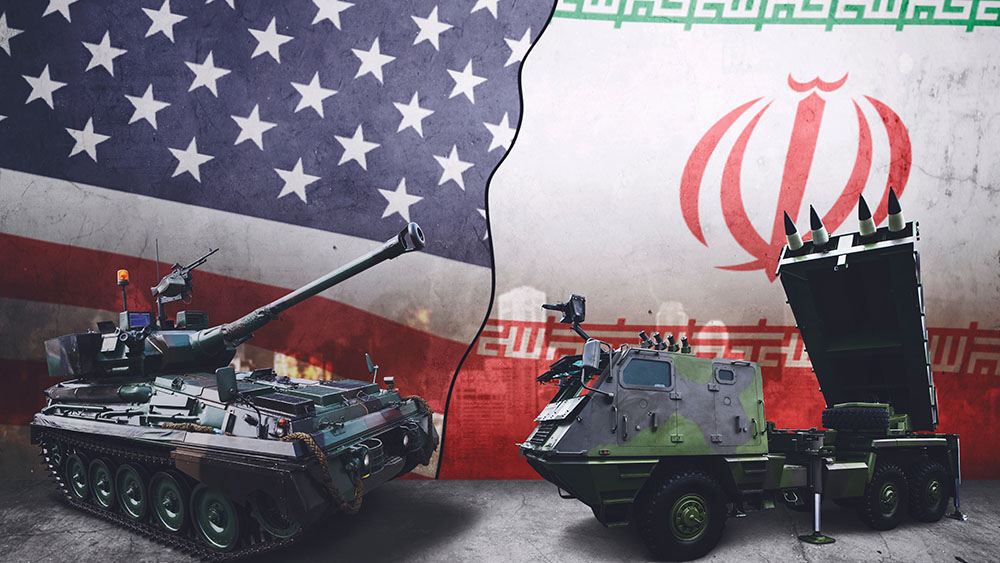
These are all the countries now taking part in global war, as Iran targets U.S. bases in multiple countries
03/06/2026 / By Lance D Johnson
The world is now witnessing the terrifying realization of a prophecy long warned by geopolitical analysts and truth-tellers: a regional skirmish exploding into a global conflagration. What began as targeted U.S. and Israeli strikes on Iran’s military infrastructure has, within days, metastasized into a sprawling multi-front war, pulling in bystander nations and threatening to shatter the fragile stability of the international order.
Key points:
- A U.S.-led operation against Iran has triggered a massive retaliatory campaign, expanding the war far beyond the Middle East.
- Iran and its proxies are directly attacking U.S. bases, allies, and commercial infrastructure across at least a dozen countries.
- Critical global energy chokepoints and production facilities have been struck, risking a worldwide supply crisis.
- European powers, initially hesitant, are now being drawn into direct military involvement.
- The conflict has resulted in significant casualties, including U.S. service members, and threatens to escalate further with no clear diplomatic off-ramp.
Iran’s retaliatory efforts are dragging multiple countries into war
The conflict ignited last Saturday with a massive U.S. military operation, supported by Israel, aimed at dismantling Iran’s nuclear program and proxy networks. This decisive action, a stark departure from the failed appeasement strategies of previous administrations, was a response to years of Iranian belligerence and stalled diplomacy. However, as predicted by observers who understand the regime’s nature, Tehran’s response was swift and devastatingly broad, choosing to wage war across the map rather than confront the core of its military degradation.
Iran’s strategy is one of deliberate proliferation, seeking to make the cost of conflict so universally high that the world will pressure Washington to stand down. This is evidenced by their targeting of nations with historically nuanced or even friendly ties to Tehran. Qatar, a mediator, saw its natural gas facilities struck. Oman, another diplomatic channel, faced attacks on U.S. bases on its soil. The United Arab Emirates, a major global trade hub, has absorbed hundreds of projectiles, with strikes hitting iconic locations like Dubai’s Palm Jumeirah and the critical Jebel Ali Port. Each attack is a calculated move to inflict economic pain and demonstrate reach.
The expanding battlefield
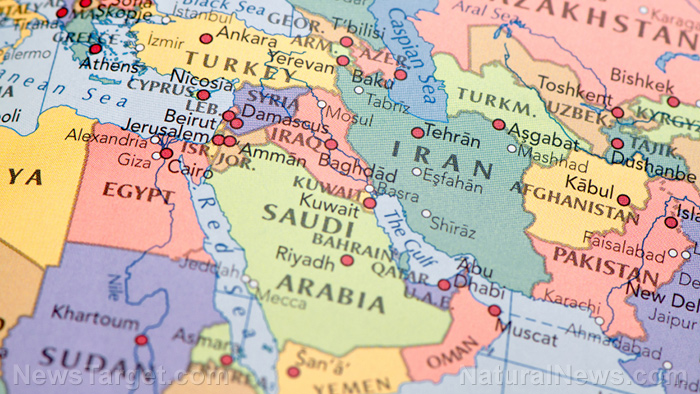
The list of nations now caught in the crossfire reads like a roll call of global strategic interests. Beyond the primary actors—the United States, Israel, and Iran—the conflict has forcibly enlisted:
- United Arab Emirates
- Qatar
- Kuwait
- Bahrain
- Oman
- Saudi Arabia
- Jordan
- Lebanon (via Hezbollah’s full entry into the war)
- Iraq
- Cyprus (pulling in the United Kingdom)
- Azerbaijan
- France and Germany
This geographic spread confirms the worst fears of a protracted regional war. The involvement of Cyprus is particularly alarming, as a drone strike on the British Royal Air Force base at Akrotiri represents a direct attack on European Union soil and NATO member territory. This single act pulled the United Kingdom from a supporting role to an active combatant, with Prime Minister Keir Starmer authorizing U.S. use of British bases and deploying naval assets.
Similarly, France and Germany, which initially preached caution, have shifted their stance toward considering direct strikes on Iran after their personnel were hit. German Chancellor Friedrich Merz’s visit to the White House underscores the rapid consolidation of a Western military coalition, a scenario that plays directly into the hands of global adversaries like Russia and China, who are poised to exploit the chaos.
A world on the brink
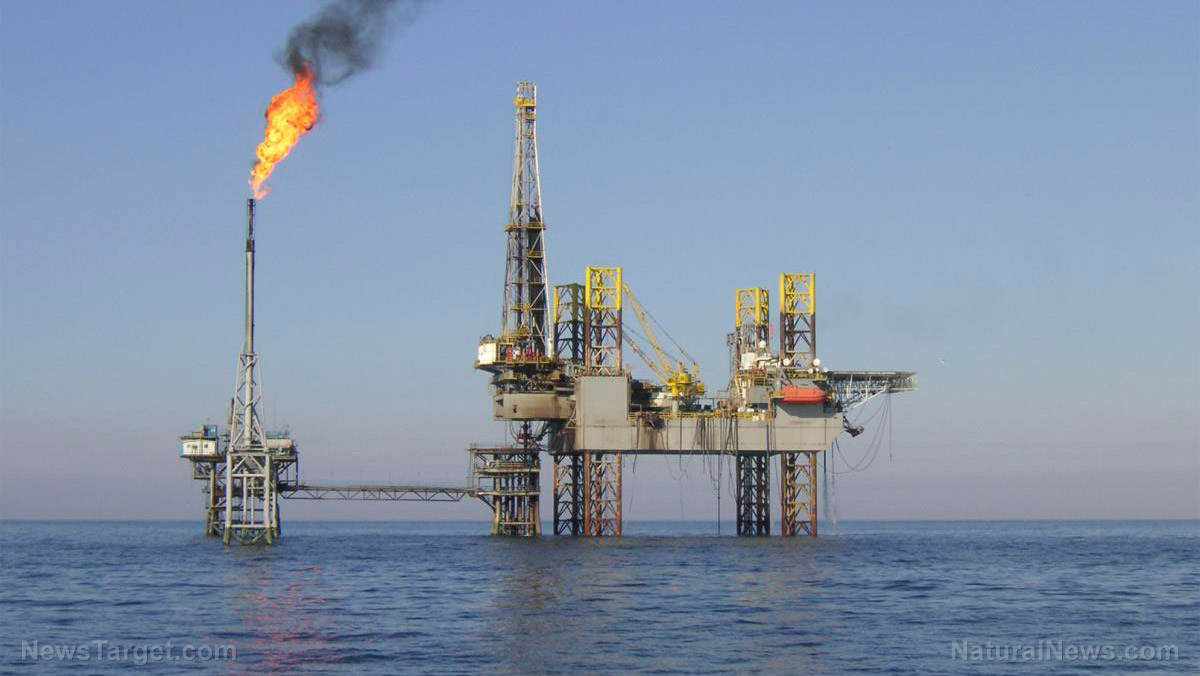
The humanitarian toll is rising, with civilians killed from Beirut to Manama. The global energy system is under direct assault, with Iran’s attacks on Saudi Arabia’s Ras Tanura refinery and Qatar’s gas facilities demonstrating a clear intent to trigger a worldwide crisis. The Strait of Hormuz, through which 20% of the world’s oil passes, remains a terrifyingly target for attacks on vessels.
This is the cost of a war that the Iranian regime has chosen to expand. While the previous policy of endless negotiation and a flawed nuclear deal only emboldened Tehran, the current conflict reveals the true extent of its revolutionary ambitions: not the defense of its homeland, but the deliberate destabilization of the entire region and the drawing of the world into a conflict with no clear exit. The nations now listed as participants are not volunteers; they are victims of a calculated Iranian strategy that views global peace and sovereignty as expendable. The world holds its breath, hoping for cooler heads to prevail, but prepares for the reverberations of a war that has already gone global.
Sources include:
Submit a correction >>
Tagged Under:
big government, chaos, China, cybersecurity, diplomacy, escalation, global conflict, Globalism, Gulf states, Hezbollah, Iran, Israel, Lebanon, Middle East, military strikes, national security, oil crisis, retaliation, Russia, Saudi Arabia, Strait of Hormuz, UAE, United States, violence, world war, WWIII
This article may contain statements that reflect the opinion of the author
RECENT NEWS & ARTICLES