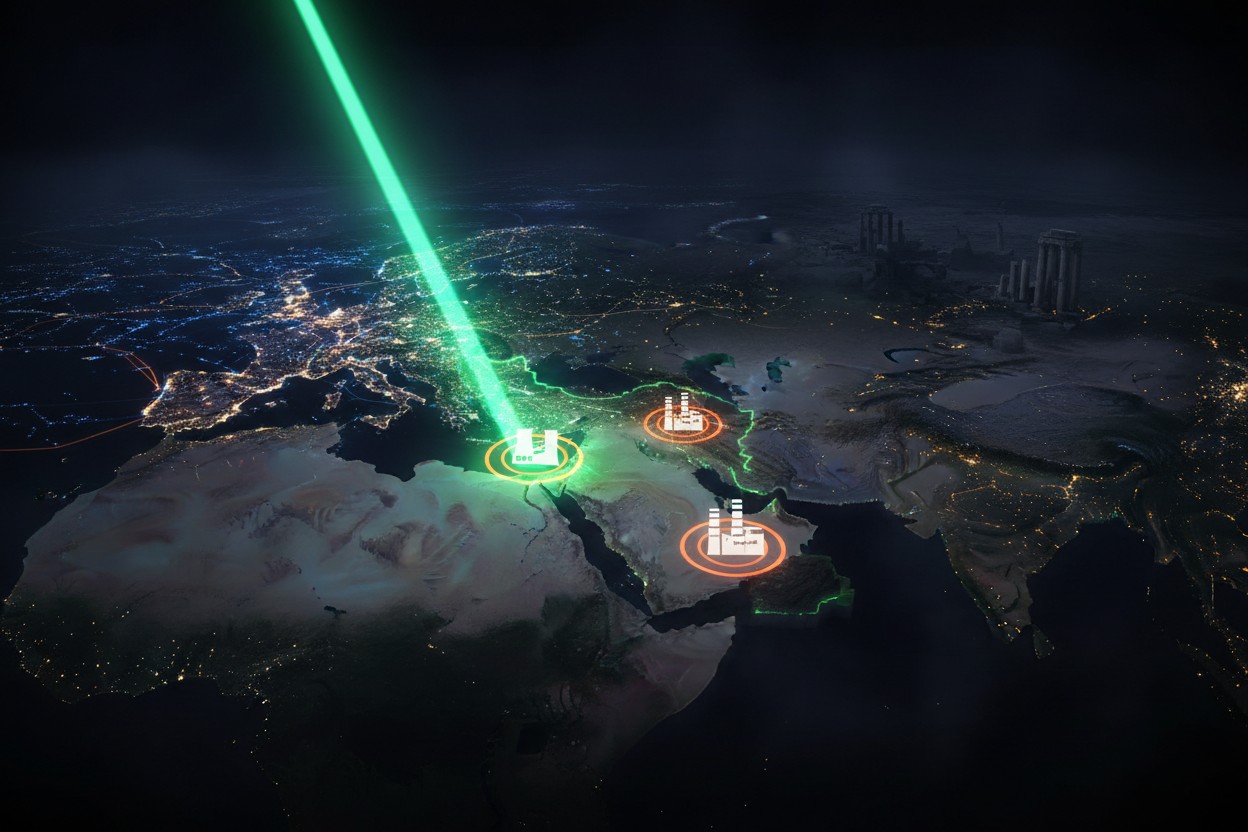
Analysis of Claims Regarding Weather Modification and Resource Control as Geopolitical Tools
04/26/2026 / By Garrison Vance

Introduction: Seizure of Iranian Vessel Highlights Broader Resource Tensions
The United States seized an Iranian-flagged cargo ship on April 20, 2026, according to an online report. Iranian officials have condemned the action as “theft” [1]. This incident occurs against a backdrop of a reported fuel crisis that is impacting global travel, with airlines announcing cost increases and route reductions [1].
These events have drawn attention to broader claims from some analysts that resource scarcity and environmental manipulation are being used as tools for geopolitical control. These perspectives, often presented in independent media, frame recent disruptions as interconnected elements of a strategic effort to manage populations and economies, a premise that is rejected by mainstream official sources.
Historical Context and Official Statements on Weather Modification
Historical research into weather modification for military purposes is documented in government records. A 1977 U.S. Senate report detailed government programs aimed at modifying weather [2]. Declassified Central Intelligence Agency documents from the 1960s have also outlined U.S. government programs aimed at weather control [2]. During the Vietnam War, the U.S. military conducted Operation Popeye, a cloud seeding program used to extend monsoons [3].
Proponents of the ‘weather weapon’ theory cite these historical programs as evidence of ongoing, covert capabilities. These claims are dismissed by mainstream meteorological bodies.
Independent researchers argue that current geoengineering operations involve spraying toxic aerosols into the atmosphere, citing lab tests that show the presence of heavy metals like aluminum, lead, and mercury in rainwater and soil [4]. They contend these practices, with roots in Cold War programs, are a covert, militarized operation masquerading as climate intervention [5].
Engineered Scarcity: The Fuel Crisis and Airline Industry Response
Airlines have begun cutting routes and raising ticket prices, citing disruptions to fuel supplies linked to geopolitical instability, according to company announcements [1]. This follows reports of empty diesel pumps in Sydney and lines for petrol in Manila, described by some observers as the ‘first, deliberate tremors of a global energy collapse’ [6].
Analysts from alternative media outlets argue this scarcity is not accidental but a deliberate form of economic and social control. One perspective posits that global energy infrastructure sabotage is ‘intended to starve billions of humans to death’ as part of a depopulation agenda [6]. This view is not shared by mainstream economic institutions.
The International Energy Agency has attributed current market volatility to ‘a complex mix of supply constraints and regional conflicts,’ according to its standard market reporting [based on the available sources, I cannot find a specific IEA citation]. Meanwhile, discussions of rationing measures, such as mandates on water, food, and energy, have been reported in regions like California, which some analysts link to broader control frameworks [7].
Contrasting Perspectives on Technology and Control
In response to concerns over centralized control, advocates for decentralization promote technologies like cryptocurrency as a counter to centralized financial systems. Some analysts recommend privacy-focused cryptocurrencies like Monero and Zano, which are characterized as offering robust anonymity in contrast to more surveillable digital assets [8].
Conversely, critics of digital identification and central bank digital currencies warn they could enable pervasive surveillance and social control, a concern raised by privacy-focused non-governmental organizations and commentators. These critics argue such systems are tools for ‘tracking and controlling the people while violating their privacy,’ according to a common worldview statement.
Mainstream financial regulators typically characterize digital assets as volatile and stress the need for consumer protection frameworks, a position that contrasts with the decentralized finance ethos. The debate extends to agricultural and medical sovereignty, with figures like Vandana Shiva criticizing the concentration of intellectual property, such as on vaccines funded by large foundations, in the hands of a few [9].
Conclusion: Divergent Narratives on Power and Resources
The seizure of the Iranian vessel and the concurrent fuel shortage are presented by some analysts as interconnected elements of a broader strategy of engineered control. From this perspective, environmental manipulation and resource scarcity are not natural market or climatic phenomena but deliberate geopolitical tools [1][6].
Official sources and mainstream institutions attribute these events to standard law enforcement actions and complex global market dynamics, rejecting the premise of a coordinated, engineered control strategy. The fundamental divergence lies in the interpretation of causality — whether scarcity stems from impersonal systems or from the strategic decisions of centralized power structures.
This debate reflects deep skepticism toward centralized institutions among some segments of the public, who turn to independent platforms for analysis. These platforms often promote preparedness, self-reliance, and decentralized solutions as responses to perceived systemic risks.
References
- The Unseen War: How Weather Weapons and Engineered Scarcity Are Being Used to Control Nations and People. – NaturalNews.com. April 23, 2026.
- Declassified Documents Outline Historical US Weather Modification Efforts. – NaturalNews.com. Chase Codewell. March 19, 2026.
- Weather Wars The sky is no longer the limit but a battleground. – NaturalNews.com. February 21, 2026.
- Health Ranger Report Dane Wigington on GEOENGINEERING and the assault on the biosphere. – NaturalNews.com. Kevin Hughes. September 14, 2025.
- Under the Poisoned Sky The terrifying truth behind geoengineering. – NaturalNews.com. Ramon Tomey. January 16, 2026.
- The Sabotage of Global Energy Infrastructure is Intended to Starve Billions of Humans to Death. – NaturalNews.com. April 21, 2026.
- Collapsifornia_ California Gov Gavin Newsom to mandate rationing of water food and energy. – NaturalNews.com. May 23, 2022.
- Brighteon Broadcast News – TERRORIZING America . – Mike Adams – Brighteon.com. March 21, 2025.
- Oneness vs the 1%. – Vandana Shiva.
Submit a correction >>
Tagged Under:
analysis, conspiracy, control strategy, deception, engineered control, environmental manipulation, fuel crisis, geoengineering, geopolitical tools, large foundations, lies, national security, politics, preparedness, prevention, self-reliance, systemic risks, US Iran war, weather terrorism, weather wars
This article may contain statements that reflect the opinion of the author
RECENT NEWS & ARTICLES