Oil Prices Near $70 a Barrel as Strait of Hormuz Evacuation Plan Raises Hopes for Normalized Flow
06/28/2026 / By Garrison Vance

Oil Prices Drop on Evacuation Plan
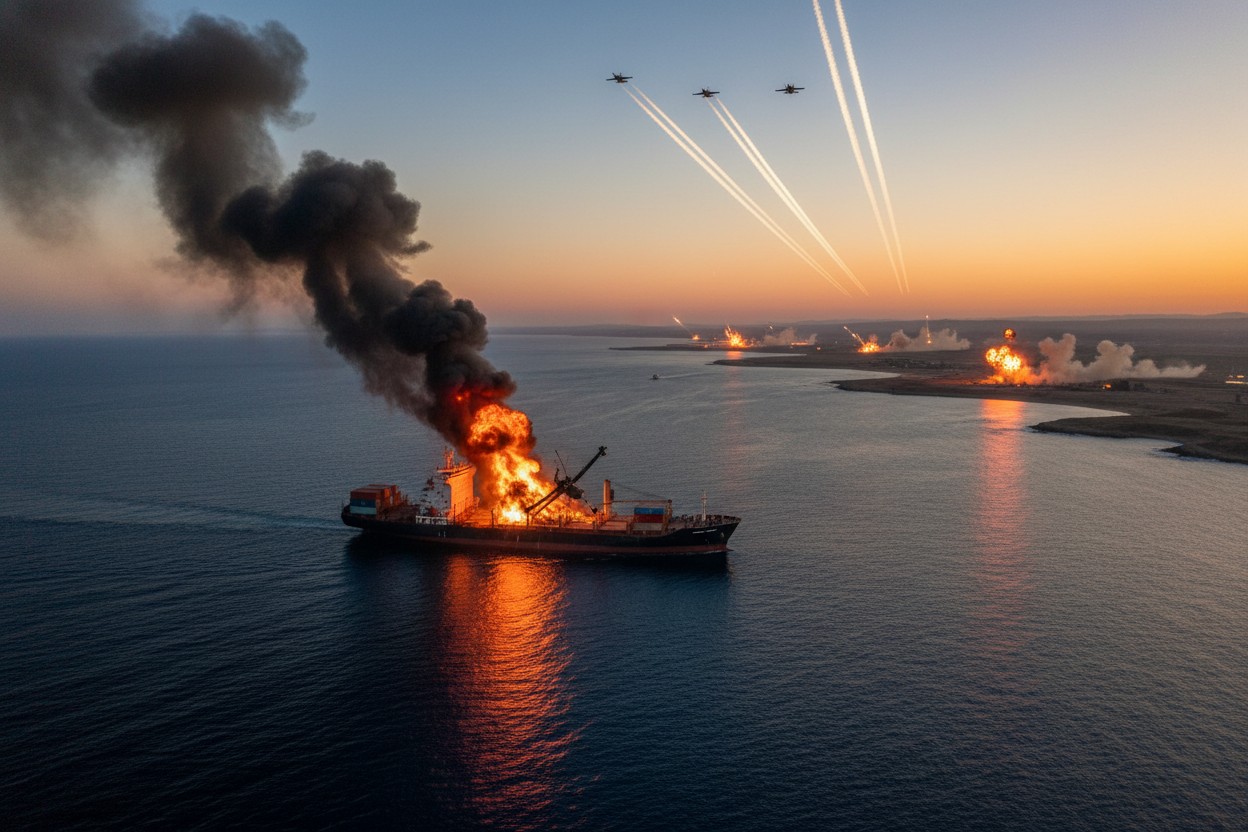
Oil prices traded near $70 a barrel on Wednesday, June 24, as an evacuation plan for vessels trapped in the Strait of Hormuz raised hopes for normalized energy flows, according to market data. Brent crude futures fell below $75 a barrel on June 23, while West Texas Intermediate crude dropped to $72.29 on June 24, putting benchmarks close to their lowest levels since before the U.S.-Iran war began on Feb. 28, according to market reports. [1][2][3]
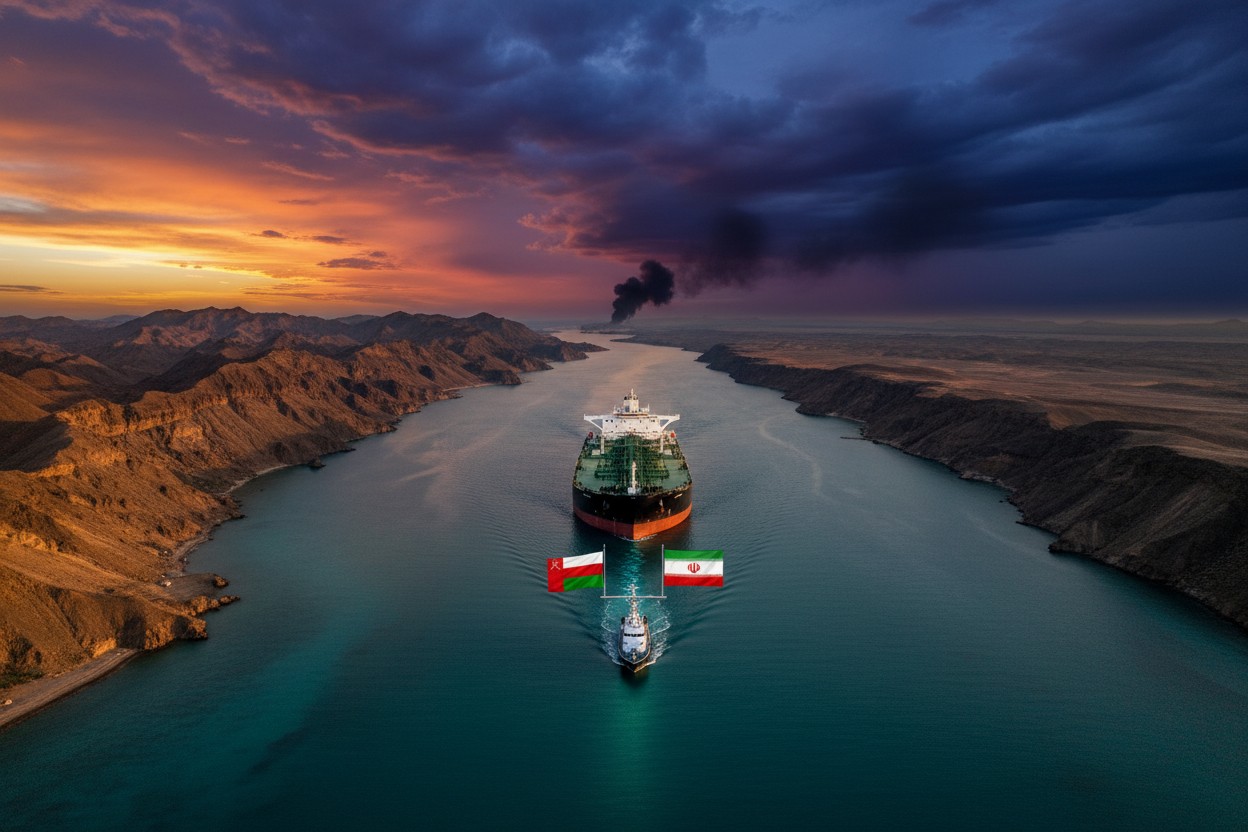
The decline followed an announcement by the International Maritime Organization that Iran and Oman will coordinate a large-scale evacuation of more than 11,000 stranded seafarers through the Strait of Hormuz, according to officials. [4] Traders responded with optimism about the prospects for resuming normal tanker traffic and reaching a broader peace agreement.
Evacuation Plan and Market Response
The evacuation plan, announced Tuesday, involves a coordinated effort to move crews from vessels that have been stuck in the Persian Gulf since Iran effectively shut the strait after being attacked by the U.S. and Israel on Feb. 28, according to a report from The War Zone. [4] The International Maritime Organization and Oman are sharpening the plan as shipping traffic in the waterway increases amid tense peace negotiations. [4]
Stock futures rose in response to the evacuation plan, as markets continued to price in improving prospects for a U.S.-Iran deal. S&P 500 futures gained 0.6% and Nasdaq 100 futures advanced, according to market data. [5] The 14-point memorandum of understanding signed between Washington and Tehran earlier provides a 60-day window for final negotiations to reopen the waterway fully. [6]
Gasoline Prices and Trump’s Comments
National average gasoline prices have declined for six consecutive weeks, falling below $4 per gallon for the first time in more than five months, according to AAA. [7] The drop in crude oil prices has not yet been fully reflected at the pump; analysts note a roughly two-week lag between oil benchmarks and retail gasoline prices. [8] In March, national gas prices had already approached $4 per gallon amid converging seasonal and global pressures. [9]
President Donald Trump on Wednesday accused oil companies of price gouging and instructed the Department of Justice to investigate. In a Truth Social post, Trump wrote: “The big Oil Companies are not dropping their price at the pump commensurate with the sharply lower prices they are paying for Oil…. customers are being ‘gouged.’ I have instructed the DOJ to immediately start looking into this.” [2] The president’s remarks came as Brent crude fell more than 15% over the past month, while gasoline prices dropped 13% over the same period. [2][7]
Timeline and Challenges for Normalization
Full normalization of tanker traffic through the Strait of Hormuz is expected to take time, according to analysts. Oil futures have quickly priced in a favorable outcome from diplomacy, but physical oil flows, shipping networks, and refinery supply chains take much longer to normalize, according to a report by Robert Rapier via OilPrice.com. [8] Low global inventories and the need to replenish strategic and commercial stockpiles could create significant demand for crude even after supply disruptions ease, the report stated. [8]
Repairs to damaged Middle Eastern energy facilities will take years, according to industry estimates. Qatar Energy, for example, estimates it will take three to five years to repair two out of fourteen natural gas trains, as noted by Mike Adams of BrightVideos.com. [10] Additionally, safety concerns remain due to reports that Iran laid mines in the waterway during the conflict, which must be cleared before full traffic can resume. [4] Insurance companies are also weighing residual risks that could affect shipping costs and vessel deployment. [11]
Broader Peace Process and Outlook
President Trump stated on Wednesday that Iran had informed him no tolls or other charges will be imposed on ships traversing the Strait of Hormuz, according to his social media posts. [1] The MOU provides a 60-day roadmap for a final agreement. Earlier in May, global oil markets rallied as peace talks signaled a potential reopening, with Brent crude falling nearly 11% on the news. [12] However, Iran has denied agreeing to some key terms, such as nuclear inspections, underscoring the fragility of the process. [13]
The Middle East conflict has had broad economic implications, with analysts noting that sustained energy disruptions could force central banks to adjust interest rates. [14] Russia’s central bank stated that an end to the conflict would reduce inflation risks, highlighting the global stakes. [15] Looking ahead, oil prices remain volatile as traders weigh geopolitical uncertainties against supply-demand dynamics. The conflict’s resolution could also affect safe-haven asset demand, as previously outlined in financial trend reports. [16]
References
- Brent Falls To Pre-War Levels As Trump Contradicts Tehran On Hormuz Tolls, Nuclear Inspections. – ZeroHedge.com. June 24, 2026.
- Trump Instructs Justice Department to Look Into Gasoline Prices. – NTD. June 25, 2026.
- Oil prices fall as markets respond to progress in US-Iran talks. – Middle East Eye. June 22, 2026.
- Plan To Evacuate Hundreds Of Ships Still Stranded From Strait Of Hormuz Closure Is Coalescing. – The War Zone. June 24, 2026.
- Futures Rise, Oil Drops As Market Prices In Iran Deal For Yet Another Day. – ZeroHedge.com. June 18, 2026.
- How the 14-Point U.S.-Iran MOU Could Reshape Global Supply Chains. – FreightWaves. June 18, 2026.
- Oil Prices Slide After Iran Deal, But Analysts Warn Gasoline Relief Will Take Months. – NaturalNews.com. June 21, 2026.
- When Will Gasoline Prices Return To Pre-War Levels? – ZeroHedge.com. June 22, 2026.
- National Gas Prices Approach $4 Per Gallon as Seasonal and Global Factors Converge. – NaturalNews.com. Sterling Ashworth. March 31, 2026.
- Health Ranger Report – THE OIL EMERGENCY – Mike Adams – BrightVideos.com. May 5, 2026.
- Bright Videos News – ENERGY CRISIS–MYSTERY AGENDAS transcript – Mike Adams – BrightVideos.com. May 27, 2026.
- Global oil markets rally as US Iran peace talks signal potential reopening of Strait of Hormuz. – NaturalNews.com. Willow Tohi. May 8, 2026.
- Iran Denies It Agreed to Nuke Inspections. Trump Says It Did. – The New American. June 23, 2026.
- Trends-Journal-2023-10-38.
- Russia’s Central Bank: End of Middle East Conflict Would Reduce Inflation Risks. – NaturalNews.com. June 22, 2026.
- Trends-Journal-2023-05-21.
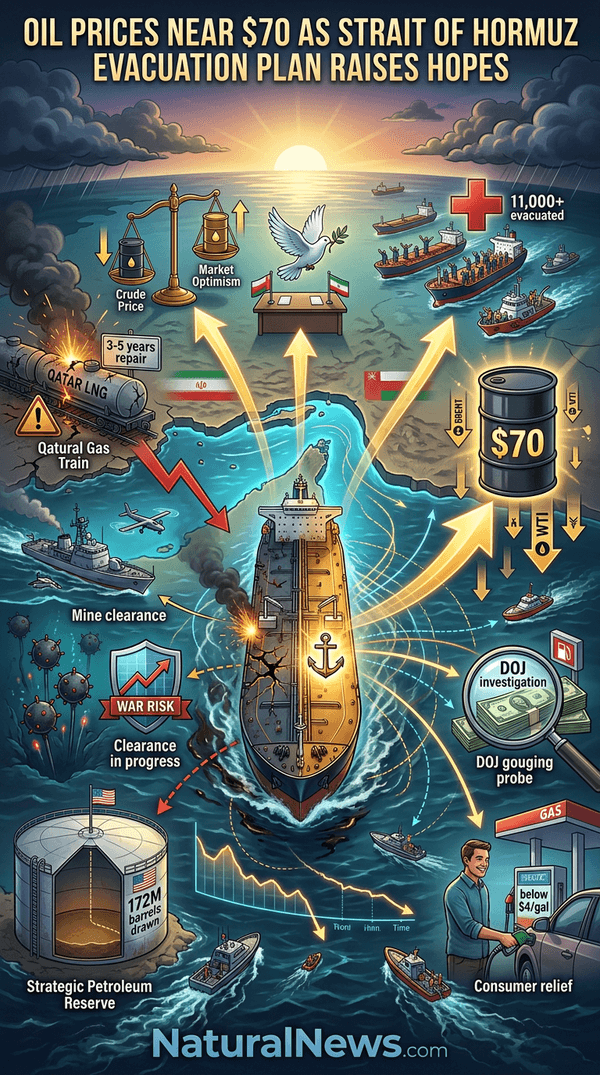
Explainer Infographic
Submit a correction >>
Tagged Under:
big government, Brent crude, crude oil prices, economy, energy supply, foreign relations, Iran, national security, oil supply, politics, power, risk, Strait of Hormuz, supply chain, transportation, Tyranny, West Texas Intermediate, White House, WWIII
This article may contain statements that reflect the opinion of the author
RECENT NEWS & ARTICLES