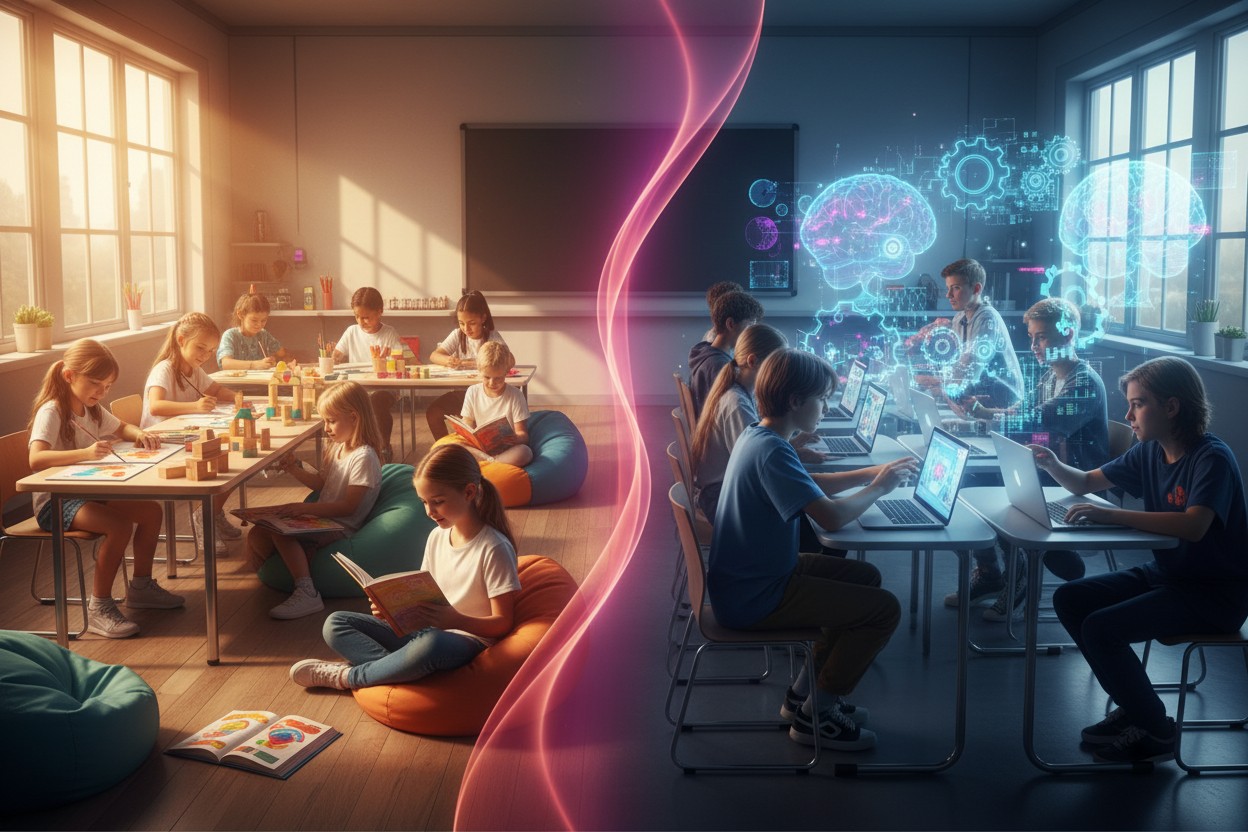
Study: Screens are corroding teens’ belief in a healthy life
09/05/2026 / By Ava Grace
- Research shows these issues are connected in a destructive cycle where poor sleep leads to more screen use, which further harms sleep and motivation for offline health.
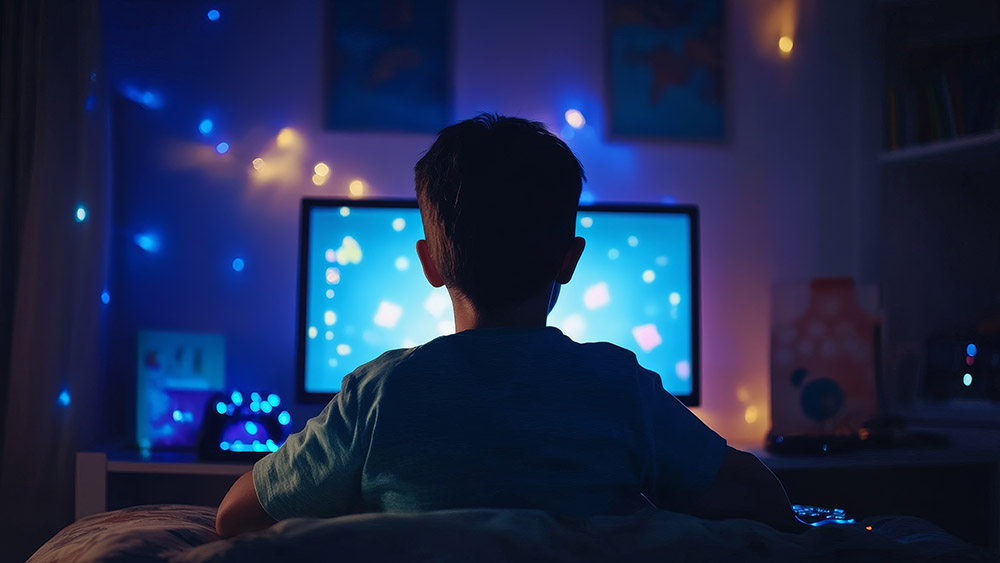
- Screens directly damage sleep by emitting blue light, which suppresses melatonin. This creates a chronic sleep deficit in teens, impairing their cognitive function, emotional regulation and academic performance.
- Immersion in curated digital worlds can make real-world activities like exercise and socializing seem less valuable and appealing by comparison.
- This includes enforcing screen-time limits, creating tech-free zones (especially at bedtime) and actively promoting engaging offline activities and real-world connections.
- The goal is to balance technology’s benefits with intentional habits that protect sleep, foster real-world resilience and rebuild the belief that personal well-being is a priority.
A scientific study delivers a stark warning to parents and policymakers: The glowing screens that dominate modern adolescence are not just stealing sleep, they are corroding the very belief in a healthy lifestyle. Published in the peer-reviewed journal Brain & Behavior, research conducted on 700 Turkish high school students establishes a troubling link between increased screen exposure, poorer sleep quality and a diminished commitment to health-conscious living. This investigation provides concrete data to a crisis felt in households worldwide, suggesting that the battle for teen well-being is being lost in the blue light of smartphones and tablets.
A vicious cycle uncovered
The study’s methodology was straightforward but powerful. Researchers distributed detailed questionnaires to adolescents, querying them on their daily screen habits, sleep patterns and personal beliefs about maintaining a healthy lifestyle. The results painted a clear and concerning picture. Teenagers who logged more hours in front of screens consistently reported lower quality sleep. More alarmingly, these same individuals displayed weaker convictions about the importance of healthy living practices.
Crucially, the analysis revealed this was not merely a set of coincidental problems. The researchers identified screen time as a “mediating variable.” In simplified terms, this means the data suggests a destructive cycle: Poor sleep likely leads teens to seek solace or distraction in more screen time, which in turn further degrades their sleep and undermines their motivation to pursue activities like exercise, proper nutrition or offline socializing. The screen becomes both the symptom and the amplifier of the problem.
The sleep sacrifice
The assault on sleep is the most direct and physiologically damaging effect. The human sleep cycle, particularly in developing adolescents, is highly sensitive to light. Screens emit significant amounts of blue light, which tricks the brain into suppressing melatonin, the hormone responsible for signaling sleepiness. The result is a generation pushing bedtime later while facing unchanged school start times, creating a chronic sleep deficit. This deficit impairs cognitive function, emotional regulation and academic performance, setting a foundation for long-term struggles.
Eroding the foundation of health
Perhaps the more insidious finding is the erosion of “healthy lifestyle beliefs.” When teens are immersed in digital environments, their worldview is shaped by curated illusions. Social media platforms showcase highlight reels of peers, often promoting unrealistic standards. The constant stimulation of games and videos can make slower, real-world activities like sports or simple conversation seem boring by comparison. Consequently, the intrinsic value of these offline, health-promoting activities diminishes in the adolescent mind.
The study’s authors are unequivocal in their recommendations. They advocate for structured interventions aimed at reducing screen exposure, increasing opportunities for genuine social interaction and proactively developing engaging offline activities. This is not a call for a rejection of technology, but for a conscious, deliberate rebalancing. It places responsibility on parents, educators and community leaders to create environments where disconnecting is not only possible but appealing.
The parental mandate
For parents, the research reinforces the non-negotiable importance of enforcing boundaries. This includes firm screen-time limits and establishing tech-free zones, particularly in bedrooms and before bedtime. Such rules are not punitive but protective, safeguarding the biological necessity of sleep. Furthermore, parents must actively promote offline connections—encouraging participation in sports, arts or family activities that rebuild the muscle of real-world engagement.
Schools, too, have a critical role. Educational curricula should integrate digital literacy that goes beyond using software to include understanding its psychological effects. School policies can support this by resisting the encroachment of non-essential technology and protecting time for physical education and unstructured social breaks, where phones are put away.
A crossroads for a generation
This study is a localized snapshot of a global phenomenon. It adds robust data to a growing chorus of concern from pediatricians, psychologists and teachers. The findings suggest that the path of unfettered digital immersion is leading to a future where young people are not only tired and unhealthy but are losing the fundamental belief that their well-being is worth prioritizing.
The conclusion is clear. The convenience and connectivity offered by modern technology come with a profound cost to adolescent development. Addressing this crisis requires moving beyond vague warnings to deliberate, evidence-based action at every level of society. The goal must be to harness the power of technology without allowing it to undermine the very habits and beliefs that make for a healthy, resilient and fulfilled human life.
A fundamental shift is needed
The findings of this study are not just a warning but a clarion call for a fundamental shift in how we approach screen use among teenagers. It is imperative that parents, educators and policymakers take proactive steps to address the root causes of screen addiction and its detrimental effects on mental health. By recognizing the addictive nature of screen use and implementing practical strategies to mitigate its impact, we can help protect the mental well-being of our youth.
“Blue light is a high-energy visible light emitted by digital screens like phones and computers,” said BrightU.AI‘s Enoch. “Excessive screen time exposes you to this light, particularly in the evening. This constant exposure can disrupt your sleep cycle and potentially contribute to eye strain and digital eye fatigue.”
Screens are not inherently evil but unchecked use can trap children in a damaging cycle. The solution isn’t just less screen time—it’s more real-world connection, emotional guidance and intentional digital habits. As children grow up in an era where screens dominate daily life, parents must strike a balance—acknowledging technology’s role while ensuring kids develop the social and emotional resilience they need to thrive offline.
Watch this report about a new study linking phone use to mental health issues in teens.
This video is from the Daily Videos channel on Brighteon.com.
Sources include:
Submit a correction >>
Tagged Under:
adolescent mind, alternative medicine, blue light, boundaries, healthy lifestyle, lifestyle, prevention, real world activites, remedies, research, sleep, Social media, sports, Study
This article may contain statements that reflect the opinion of the author
RECENT NEWS & ARTICLES